Technical depth on vulnerability management, AI-powered remediation, and TRIS scoring. Written by practitioners, for practitioners.
CVSS vs EPSS vs SSVC vs KEV vs TRIS™ — what each framework measures, what it misses, and how to layer them for composite scoring.
.png)
What BAS is, MITRE ATT&CK mapping, automated vs manual testing, ROI measurement, and the open-source BASzy AI option.
RBAC misconfigs, container image scanning, admission controllers, network policies, etcd security, and a hardening checklist.
OWASP API Top 10, BOLA/BFLA testing, authentication bypass, rate limiting, GraphQL security, and building an API testing program.
Security champions, PR scanning, automated dependency updates, security debt tracking, and metrics that prove DevSecOps maturity.
.png)
How VM fits into ZTA: micro-segmentation, continuous verification, device posture scoring, and a phased implementation roadmap.
Multi-tenant scanning, client reporting, SLA management, pricing models, and scaling from 10 to 100 clients profitably.
.png)
SCADA systems, the Purdue model, air-gapped scanning, ICS-CERT advisories, and compensating controls for systems that cannot be patched.
NTIA minimum elements, CycloneDX vs SPDX, and how to operationalize SBOMs as the missing layer in your VM program.
SAST, DAST, and SCA pipeline integration patterns, false positive management, and gate policies that developers will actually follow.
External attack surface discovery, asset inventory automation, continuous monitoring, and risk-based prioritization for the assets you didn't know you had.
OWASP LLM Top 10, jailbreak testing, prompt injection detection, guardrail bypass, and agent security testing with BASzy AI.
Right-sizing VM for small teams: the complete $500/year toolchain, minimum viable program, and SOC 2 compliance on a startup budget.
CSPM vs traditional VM, cloud-native vulnerability classes your scanner misses, and how to unify both in one prioritization pipeline.
Automated patching workflows, AI-generated fix guidance, SLA tracking with escalation, and the metrics that prove remediation velocity.
Board-level metrics, FAIR risk quantification, executive dashboards, and the 5-slide framework that gets security budgets approved.
I wasn't trying to start a company. I was tired of watching CVSS 6.5 vulnerabilities get skipped while teams chased 9.8s that nobody exploited.
A direct comparison of Rapid7 InsightVM and SentinelOne Singularity VM, and why the price gap no longer makes sense in 2026.
The 5 stages of CTEM, how EPSS+KEV+asset criticality map to each stage, and an implementation roadmap by org size.
Map CVEs to ATT&CK techniques. Score vulnerabilities by detection coverage. Patch what attackers actually exploit.
CC7.1 explained: scan frequency, SLA documentation, evidence collection, and the gap between Vanta/Drata automation and human auditor scrutiny.
.png)
Layer inheritance, SBOM generation with Syft and Grype, Cosign image signing, and automation with Dependabot and Renovate.
Coverage gaps, enrichment delays post-2024, ecosystem strengths, and how to build a multi-source aggregation pipeline.

RA-5 control requirements, mandatory CVSS-based SLA tiers, POA&M documentation, ConMon reports, and CSP vs 3PAO responsibilities.
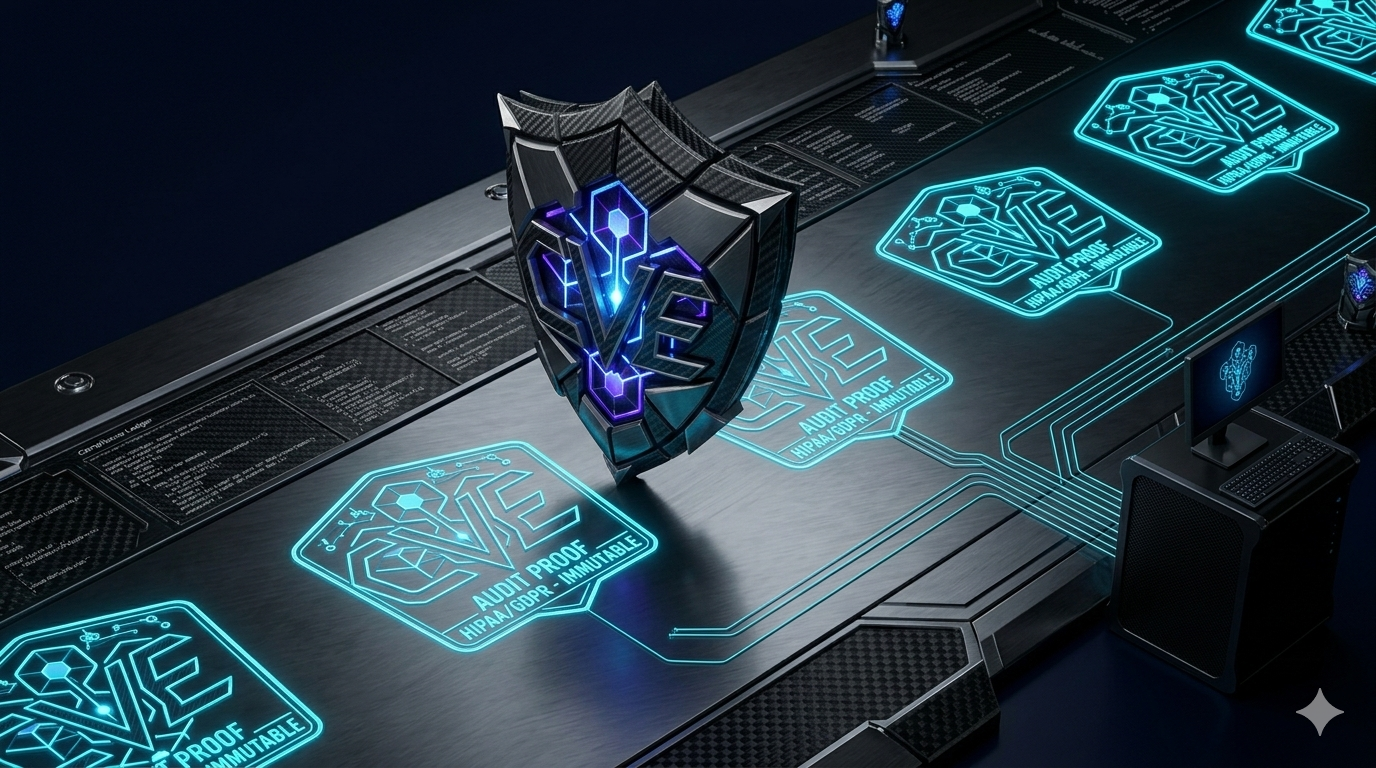
OTX, MISP, Shodan, GreyNoise, KEV, EPSS, how to correlate feeds, map IOCs to CVEs, weight sources, and set alert thresholds.

The 5-stage pipeline, Ansible playbooks, Kubernetes rolling updates, canary deployments, rollback triggers, and SLA tracking automation.
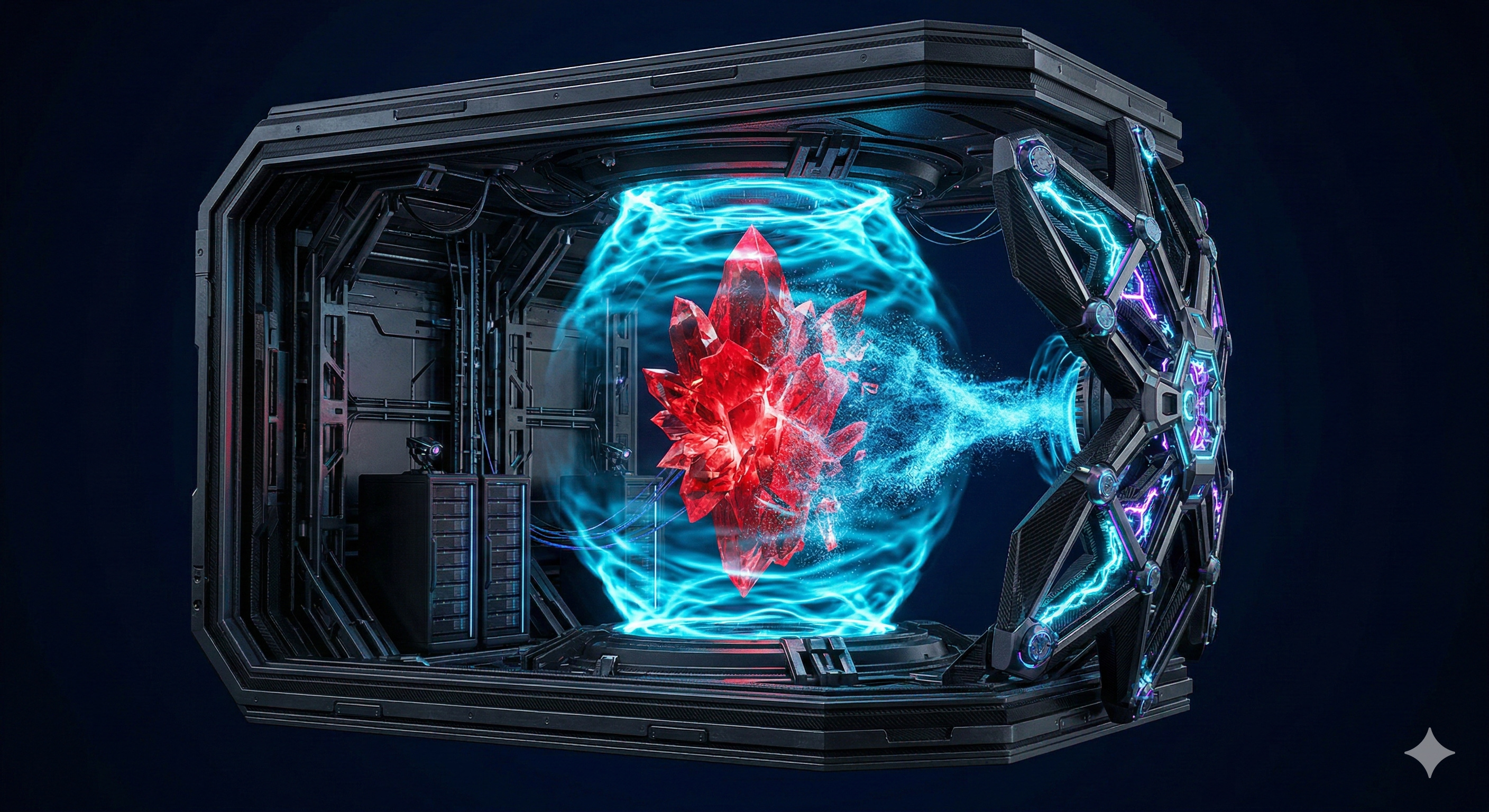
The data sovereignty and privacy case for running vulnerability AI on your own infrastructure.
.png)
How correlated intelligence cuts signal-to-noise ratio and surfaces the vulnerabilities that are actually on fire.
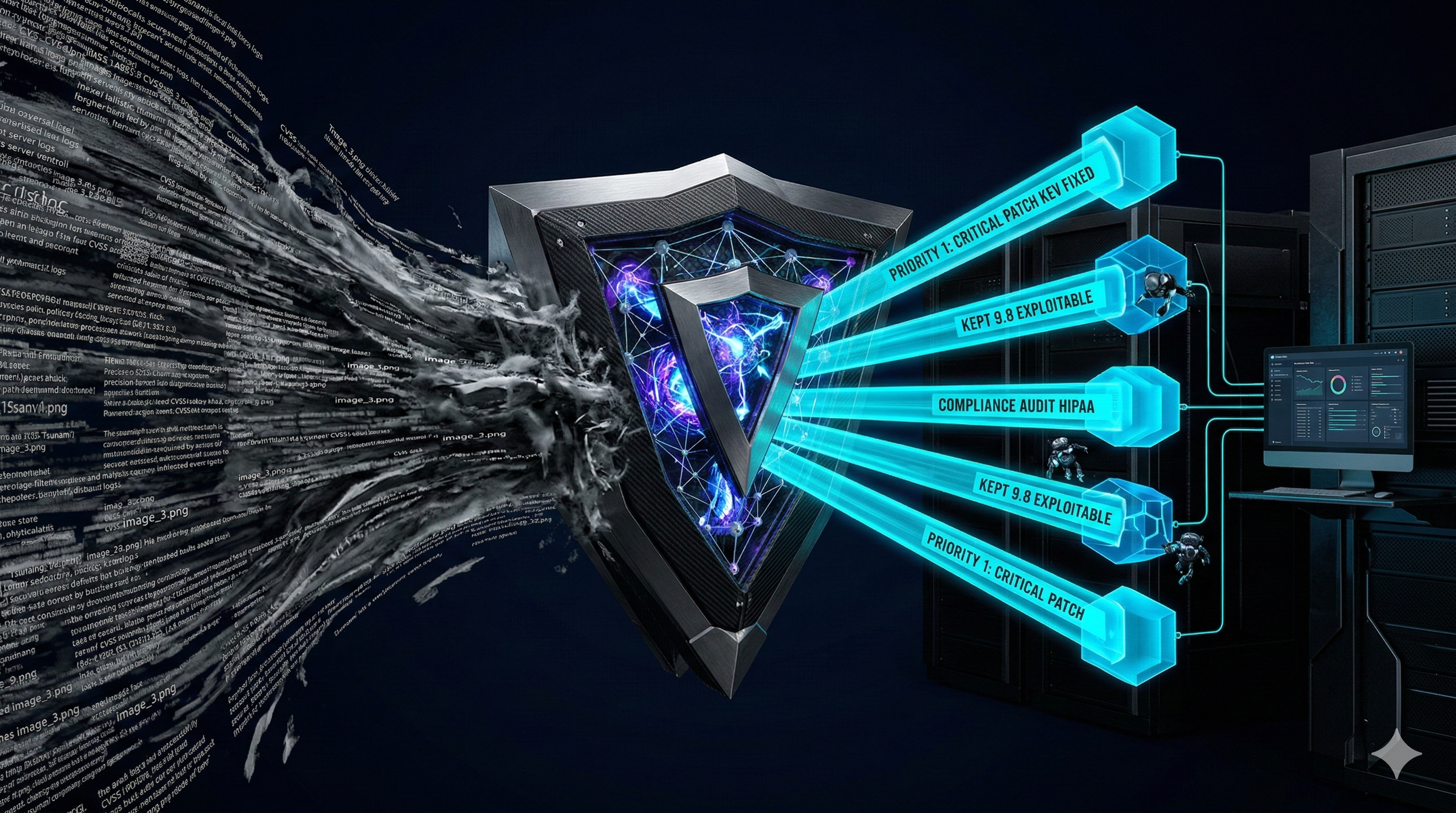
The predictive framework for patching the vulnerabilities ransomware actors exploit most, before they get there.
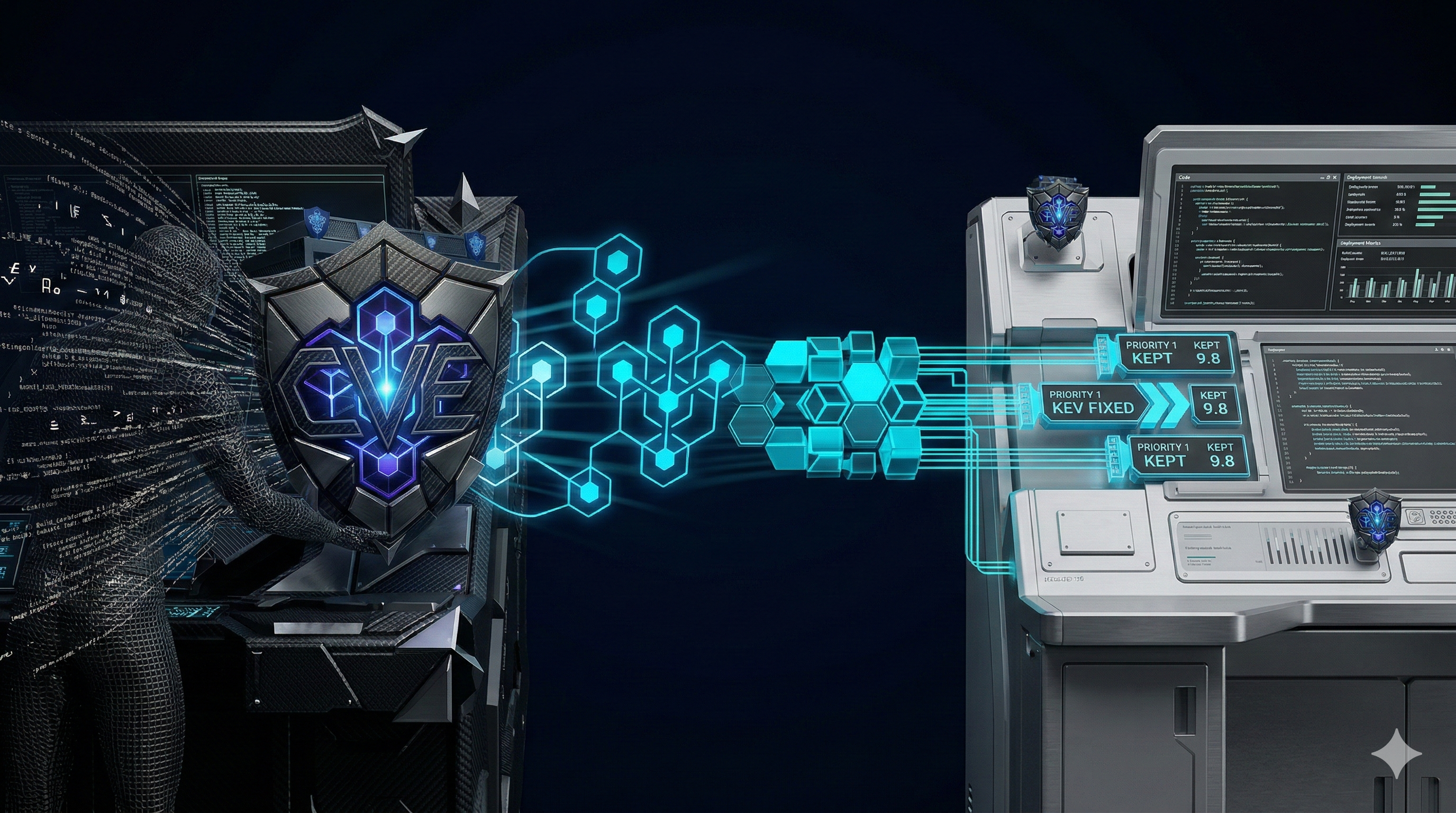
A deep dive into the three-layer scoring model that replaces CVSS-only prioritization.
Understanding the exploit lifecycle and how to reduce your exposure before CVEs are even published.
A repeatable 5-step workflow for turning Microsoft's monthly release into a ranked, defensible patch order in under two hours.

A practitioner's guide to the four pillars of VM: asset discovery, assessment, prioritization, and remediation.

BOD 22-01 created a mandatory patch timeline for federal agencies, and a best-practice model for everyone else.
MTTR is easy to game and hard to act on. Here are five metrics that actually drive security outcomes.
Traditional scanners struggle with supply chain vulnerabilities. Here's why, and what to do about it.
Per-asset pricing creates perverse incentives that make organizations less secure. Here's the math, and a better model.
.png)
Turn vulnerability scan results into audit evidence. How to align your VM program with the controls that actually get tested.

A practical framework for translating scanner output into reports that drive decisions instead of confusion.
A Nessus XML export is a raw data dump. Here's how to cross-reference with EPSS/KEV and produce a ranked remediation queue.
Why SaaS VM tools fail in classified networks, and how to run a full VM program with zero internet connectivity.

A 7-tier SLA framework built on EPSS and KEV, not CVSS, with escalation paths that IT will actually follow.
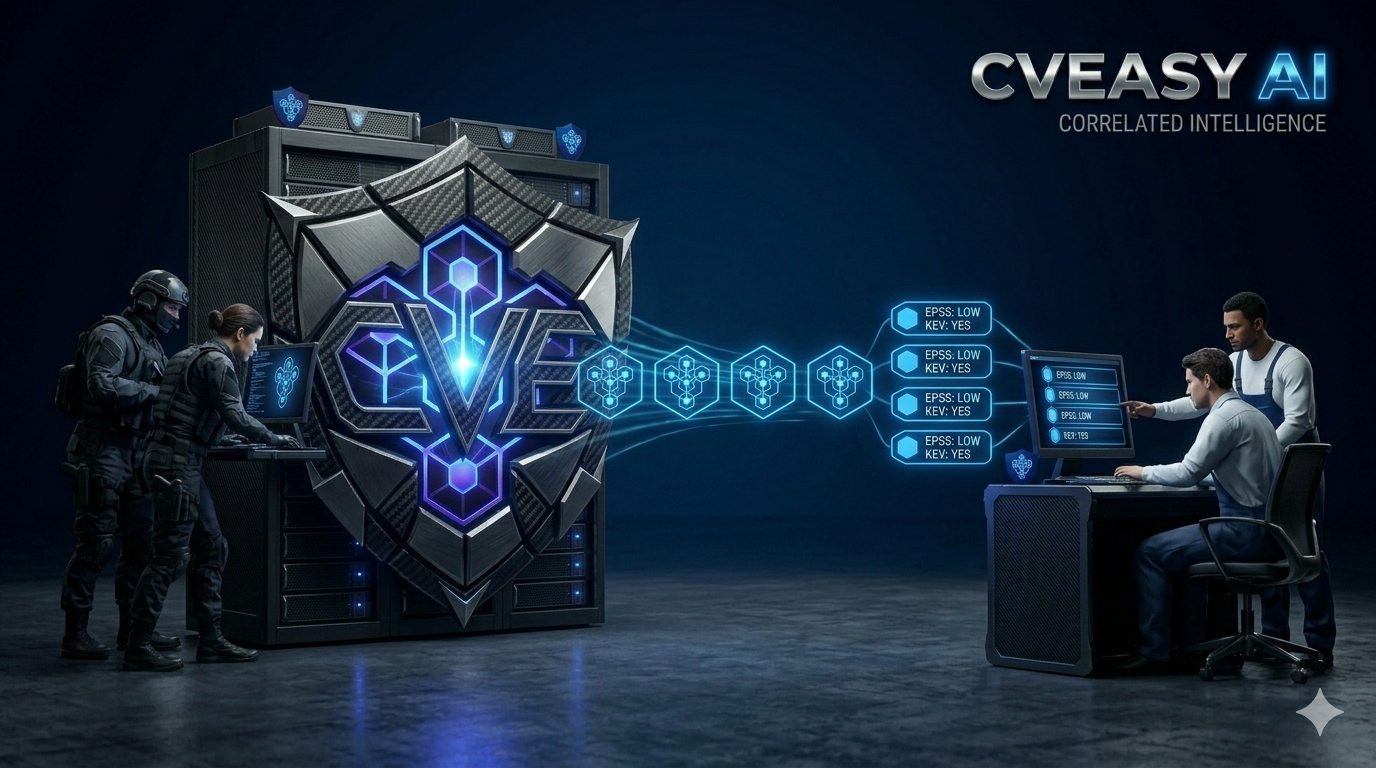
KEV, EPSS, NVD, MITRE ATT&CK, ISACs, what each feed tells you, what it doesn't, and how to avoid feed overload.
CVSS was designed to score severity in isolation. But "severity" without context creates noise, not signal. Here's how correlated intelligence changes everything.